
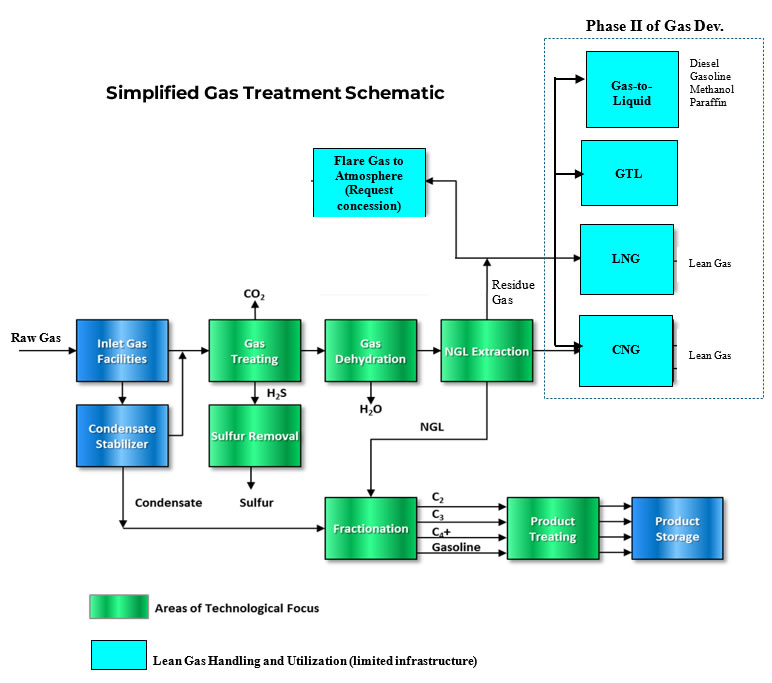
LPG which stands for Liquefied Petroleum Gas is a mixture of propane and butane (or just one of these hydrocarbons), which are both gases at normal temperatures and pressures but can be liquefied under moderate pressure or cooling. It is extracted from natural gas fields during natural gas processing through a process called fractional distillation, and can also be extracted from crude oil during the refining process.
Gas at room temperature and pressure; liquid when compressed. Propane boils at -42°C (-44°F), and butane at -0.5°C (31°F). It is heavier than air and has high energy density, making it an efficient fuel. It is also highly flammable and requires careful handling and storage.
- It is Used domestically and industrially for powering machineries and heats processes,
- Automotive as an alternative fuel for vehicles (LPG-powered cars).
- Agriculture
- Commercial: Employed in restaurants and businesses for cooking and heating.
1
1